

Deep Tissue Massage - 60 Mins Gallery
$$MultiPurposeText$$
See examples of our Deep Tissue Massage - 60 Mins work and results.



















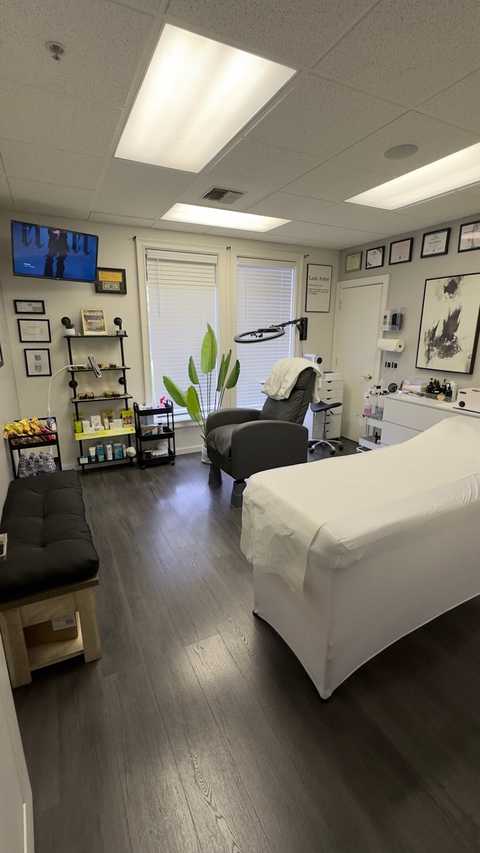
What Our Clients Say
$$MultiPurposeText$$
Read testimonials from our satisfied customers

I was looking for a new tech and happened across erica. She took time and care to do what ...more

Erica is clean, organized and professional! Nothing but good vibes and I left with my face...more

10/10 recommend lash lift service! Erica is truly a professional and extremely knowledgeab...more

Erica is very professional. Always on time. Her space is very clean. Erica does my Brazili...more

My experience at Lash and Skin Studio was great! Erica makes you feel so comfortable! I’ve...more

If you’re looking for someone professional who also makes you feel welcome and comfortable...more

Frequently Asked Questions
Get answers to common questions about Deep Tissue Massage - 60 Mins.
You may feel firm pressure and occasional discomfort as therapists work deep muscle layers. Communicate with your therapist to adjust intensity. Mild soreness afterward is common and typically resolves within 24–72 hours. Benefits outweigh temporary discomfort when addressing chronic tension.
Arrive hydrated and avoid heavy meals beforehand. Complete our intake form and inform the therapist of injuries, medications, or medical conditions. Wear comfortable clothing to and from your appointment, and arrive 10 minutes early to relax and discuss treatment goals.
Clients with chronic muscle tension, recurring knots, athletes recovering from intense training, and those with postural strain often benefit most. Therapists tailor pressure and techniques to individual needs, ensuring effective release while minimizing risk and promoting lasting improvement.
Many clients notice immediate reduction in tightness and increased mobility, though full relief can take 24–72 hours as inflammation subsides. Chronic issues often require a series of treatments plus stretching and self-care for sustained improvement.
Yes. Avoid deep tissue if you have acute inflammation, open wounds, recent fractures, blood clotting disorders, uncontrolled hypertension, or active infection. Pregnant clients should consult their healthcare provider. Always disclose medical history so your therapist can recommend safe, appropriate alternatives.
Hydrate well, rest, and apply gentle stretching to maintain released muscle fibers. Avoid intense workouts for 24–48 hours. Use heat or cold packs as advised for soreness. Follow any personalized exercises or scheduling suggestions from your therapist for best results.